Finding Reliable Suppliers and Buyers
The demand for The demand for red chili pepper continues to grow across global markets, driven by food production, spice processing, and natural product industries. For buyers and traders, sourcing red chili pepper in bulk is not just about finding supply, but about finding the right origin, the right quality, and the right partners.
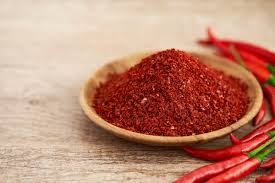
Vietnam has established itself as one of the leading exporters of red chili pepper. The country offers consistent production, competitive pricing, and a well-structured export system. Buyers looking for large quantities often turn to Vietnam because of its ability to meet volume demands without compromising supply stability. The red chili pepper from this region is known for its strong color, uniform size, and reliable drying process.
Across Africa, the red chili pepper market is equally promising. Countries like Nigeria, Cameroon, and Ethiopia produce significant volumes, often with a more natural cultivation approach. For many buyers, African red chili pepper presents an opportunity to access organic or less industrially processed products. However, sourcing from Africa requires a deeper understanding of local supply chains, logistics, and exporter reliability.
Bulk buying of red chili pepper requires attention to several key factors. Quality is the first consideration. This includes moisture content, color, pungency level, and cleanliness. Poor quality can affect resale value and processing outcomes. The second factor is logistics. Shipping timelines, port handling, and packaging standards all influence the final cost and condition of the product upon arrival.
Another important aspect is finding the right buyer or seller. Many traders struggle not because of lack of product, but because of lack of verified connections. The red chili pepper trade depends heavily on trust, consistency, and clear communication between both parties. Without this, transactions become risky and often unsustainable.
This is where structured trade platforms are becoming essential. Instead of relying on scattered contacts, businesses are now moving towards centralized systems where buyers and sellers can connect with more confidence. Having access to verified partners reduces uncertainty and allows transactions to move faster and more efficiently.
For exporters, especially those sourcing red chili pepper from Africa or Vietnam, visibility is key. Without proper exposure, even high-quality products remain unnoticed in competitive markets. On the other side, buyers need access to reliable suppliers without spending excessive time verifying each contact.
If you are serious about trading red chili pepper in bulk, the next step is not just sourcing, but positioning yourself within a trusted network. Open Merchant Center provides a structured environment where buyers and suppliers can connect, present their products, and build long-term trade relationships.
Red chili pepper remains a high-demand commodity, but success in this market depends on more than supply. It depends on access, trust, and the ability to connect with the right people at the right time. continues to grow across global markets, driven by food production, spice processing, and natural product industries. For buyers and traders, sourcing red chili pepper in bulk is not just about finding supply, but about finding the right origin, the right quality, and the right partners.
Vietnam has established itself as one of the leading exporters of red chili pepper. The country offers consistent production, competitive pricing, and a well-structured export system. Buyers looking for large quantities often turn to Vietnam because of its ability to meet volume demands without compromising supply stability. The red chili pepper from this region is known for its strong color, uniform size, and reliable drying process.
Across Africa, the red chili pepper market is equally promising. Countries like Nigeria, Cameroon, and Ethiopia produce significant volumes, often with a more natural cultivation approach. For many buyers, African red chili pepper presents an opportunity to access organic or less industrially processed products. However, sourcing from Africa requires a deeper understanding of local supply chains, logistics, and exporter reliability.
Bulk buying of red chili pepper requires attention to several key factors. Quality is the first consideration. This includes moisture content, color, pungency level, and cleanliness. Poor quality can affect resale value and processing outcomes. The second factor is logistics. Shipping timelines, port handling, and packaging standards all influence the final cost and condition of the product upon arrival.
Another important aspect is finding the right buyer or seller. Many traders struggle not because of lack of product, but because of lack of verified connections. The red chili pepper trade depends heavily on trust, consistency, and clear communication between both parties. Without this, transactions become risky and often unsustainable.
This is where structured trade platforms are becoming essential. Instead of relying on scattered contacts, businesses are now moving towards centralized systems where buyers and sellers can connect with more confidence. Having access to verified partners reduces uncertainty and allows transactions to move faster and more efficiently.
For exporters, especially those sourcing red chili pepper from Africa or Vietnam, visibility is key. Without proper exposure, even high-quality products remain unnoticed in competitive markets. On the other side, buyers need access to reliable suppliers without spending excessive time verifying each contact.
If you are serious about trading red chili pepper in bulk, the next step is not just sourcing, but positioning yourself within a trusted network. Open Merchant Center provides a structured environment where buyers and suppliers can connect, present their products, and build long-term trade relationships.
Red chili pepper remains a high-demand commodity, but success in this market depends on more than supply. It depends on access, trust, and the ability to connect with the right people at the right time.